
Table of Contents
- Why Bold Jewelry Feels Intimidating (and Why It Doesn't Have to Be)
- Start With One Statement Piece: The Beginner's Rule
- Bold Jewelry Outfit Ideas for Everyday and Occasion Wear
- How to Wear Chunky Jewelry Without Feeling Overdone
- How to Layer Bold Necklaces Step by Step
- Jewelry Styling Rules Worth Following (and Which to Ignore)
- Comfort, Care, and Making Bold Jewelry Last
- Conclusion: Wear Bold Jewelry With Confidence
- Frequently Asked Questions
Last Updated: October 13, 2026
Why Bold Jewelry Feels Intimidating (and Why It Doesn't Have to Be)
Bold jewelry is any piece designed to be noticed first: a wide cuff, oversized hoops, a chunky chain, or a ring with a large center stone.
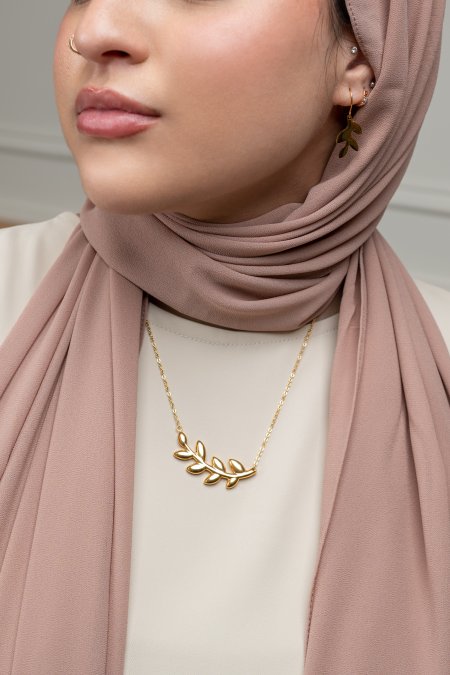
At HARMA, bold jewelry fails for one reason: it competes with the outfit instead of completing it. Fix that, and the nerves disappear.
If you've been circling a statement piece for months, this guide is for you.
Start With One Statement Piece: The Beginner's Rule
The beginner's rule: one statement piece per outfit, everything else small and simple. Give the eye two loud pieces and it doesn't know where to look; give it one, and the outfit reads as intentional.
So before you buy anything, decide what your statement piece will be. It's usually one of these:
- A bold necklace with a pendant or chunky links
- Oversized hoops or dangling earrings
- A wide bracelet or tennis bracelet
Choosing Your First Bold Piece
Pick your first piece based on where you already feel comfortable being seen: earrings if you like your face framed, a ring if your hands move when you talk, a necklace if you want it to work from across a room.
Our Harma Essential Brilliant Cut Zirconia Statement Ring is a good first bold piece for exactly this reason. It's gold plated, hypoallergenic, and built for everyday wear, so it works on a Tuesday as easily as it does on a night out.

Bold Jewelry Outfit Ideas for Everyday and Occasion Wear
Bold jewelry works with everyday outfits when you anchor it to a plain base, denim, a white tee, a knit sweater, a simple dress, giving the statement piece room to breathe.
Here's how to think about it:
- Casual wear: jeans and a tee with oversized hoops
- Work: a button-down with one chunky bracelet and stud earrings
- Evening: a plain dress with a statement necklace
Printed outfits need more care: if your top has a pattern, skip the bold necklace and put the statement on your ears or wrist, two competing focal points split the attention.
A Repeatable Three-Step Method for Any Outfit
Most beginners freeze because they style the whole look at once. Work in this order instead, and you can apply it to anything in your closet in under a minute.
- Name the loudest thing you're already wearing. A print, bright color, textured knit, or dramatic sleeve is your existing focal point.
- Decide whether jewelry leads or follows. If the loudest thing is a print or strong color, jewelry follows: one small-to-medium bold piece, everything else invisible. If the base is plain, jewelry leads, this is where your statement piece goes.
- Place the bold piece where skin shows. Neck, ears, wrist, or hand, whichever is most exposed reads best.
Run the method on three real outfits:
- White tee, blue jeans, sneakers. Plain base, so jewelry leads. Skin shows at the neck and ears, so a chunky chain or oversized hoops both work. Pick one.
- Floral midi dress, sandals. The print is loud, so jewelry follows. Skip the necklace and wear a single bold ring or slim cuff.
- Black turtleneck, tailored trousers, loafers. Plain base, covered neck, so jewelry leads on top of the fabric. A long bold chain over the knit, with small studs on the ears.
Matching Bold Jewelry to Necklines
Neckline is the most overlooked factor in jewelry styling. Get it right and a piece looks custom-made.
| Neckline | Best Bold Choice | Avoid |
|---|---|---|
| Crew or high neck | Long pendant, chunky chain | Short collarbone necklace |
| V-neck | Pendant that follows the V | Wide collar pieces |
| Scoop neck | Layered chains, medium pendant | Heavy chokers |
| Off-shoulder | Dangling earrings, skip the necklace | Necklaces that cross skin |
| Button-down | Short chain, small pendant | Long chains that tangle |
| Turtleneck | Long bold chain over the knit | Short necklaces |
| Square neck | Medium pendant centered in the frame | Chokers that sit above the line |
| Halter | Drop earrings, no necklace | Anything at the throat |
| Sweetheart | Short pendant or a delicate choker | Long chains that fall past the bust |
Two rules cover any neckline not listed:
Harma Essential Brilliant Cut Zirconia Statement Ring →
- Leave space where skin shows, add weight where fabric covers. A bare collarbone carries a short bold piece; a covered neck needs length to sit on top of the fabric.
- Follow the line the neckline draws. A V wants a pendant that echoes the V, a square neck wants a piece inside the frame, and a halter already draws the eye upward, so earrings finish the job.
Cost-Per-Wear: How Beginners Should Actually Budget
A bold piece feels expensive until you divide it by how often you wear it.
Buy one piece you'll reach for weekly rather than three you'll save for occasions, and start with a metal you already wear most. A single ring or pair of hoops is the lowest-risk way to test a bold silhouette, both restyle across casual, work, and evening outfits.
How to Wear Chunky Jewelry Without Feeling Overdone
Chunky jewelry reads as overdone when every piece is heavy. Balance weight with something light and the same piece looks deliberate:
- Pair a chunky necklace with small stud earrings
- Wear a thick cuff on one wrist and nothing on the other
- Choose one bold ring instead of three stacked rings
Scale matters too. A petite frame can carry a large piece, but a very wide collar necklace can overwhelm a narrow shoulder line, and a long pendant flatters more body types than a heavy choker.
Weight, Comfort, and All-Day Wearability
This is why bold pieces end up in a drawer: a piece that hurts by 2 p.m. doesn't get worn again, no matter how good it looked at 8 a.m. What to check before you commit:
- Earring weight. Heavy hoops and dangles pull on the lobe. If an earring feels heavy in your hand, it will feel heavier on your ear, look for hollow or lightweight construction and save the heaviest pairs for short outings.
- Clasp security. A bold necklace or bracelet is heavier, so the clasp does more work. A lobster claw with a firm spring holds better than a small spring ring; give it a tug before you leave.
- Skin sensitivity. Nickel is a common irritant in costume jewelry. Hypoallergenic and nickel-free finishes reduce the risk, especially on earrings and rings.
A common pattern among daily bold jewelry wearers: they own fewer pieces and rotate them more. Two or three comfortable pieces worn constantly beat a drawer of dramatic ones worn twice.
Proportion: How to Judge Scale on Your Own Body
Proportion isn't about being small or tall. It's the relationship between the piece and the space it sits in.
- Neck length. A short neck carries a long pendant better than a wide collar, because the vertical line creates the illusion of length. A long neck handles a choker or wide collar without looking crowded.
- Shoulder width. A very wide collar necklace reads as an extension of the shoulder line: it can overwhelm narrow shoulders and balance broad ones.
- Hand and wrist size. A wide cuff on a small wrist looks deliberate; a thin bangle on a large wrist can disappear. Match band width to the limb, not the trend.
The simplest test: stand back from the mirror at arm's length. If the piece is the first thing you see and your face the second, the scale works.
If you're easing in, our Luxe Curb Chain Link Hoop Earrings are a low-risk way to try the trend.

How to Layer Bold Necklaces Step by Step
Layering bold necklaces is easier once you follow a fixed order. The goal is a stack that looks like it grew together, not three separate decisions.
Follow these steps:
- Start with your shortest chain. This sets the top of the stack.
- Add a second chain 5 to 8 cm longer. The gap is what makes layering visible.
- Make only one layer bold. The others should be simple chains.
- Match the metal. Mixing metals can work, but matching is safer for beginners.
- Check the mirror while standing. Chains sit differently when you move.
- Remove one piece before you leave. If it feels like a lot, it usually is.
A layered stack works best over a plain top, patterns and ruffles fight the chains.
Our Radiant Chandelier Marquise Dangle Earrings are a good partner for a layered neckline. They're lightweight, gold plated, and designed to elevate a look without overpowering it.

Jewelry Styling Rules Worth Following (and Which to Ignore)
Most jewelry styling rules are useful shortcuts, not laws. Keep the ones that solve a real problem and drop the ones that just limit you.
Worth following:
Harma Essential Brilliant Cut Zirconia Statement Ring →
- One focal point per outfit
- Match your jewelry scale to your neckline
- Keep metals consistent when you're unsure
Worth ignoring:
- "Bold jewelry is only for evenings." It works at brunch.
- "Never mix gold and silver." Mixing works when one metal dominates.
- "Statement pieces are for young women." Proportion matters more than age.
The rule we'd keep above all others: your jewelry should look like it belongs to you, not to a trend cycle. Versatile pieces you reach for weekly beat one dramatic piece you wear twice a year.
Comfort, Care, and Making Bold Jewelry Last
Bold pieces get noticed, so they get touched, tugged, and worn more often. A little care keeps them looking like day one.
For care and storage:
- Store pieces separately so they don't scratch each other
- Wipe jewelry with a soft cloth after wearing
- Keep chains clasped to prevent tangling
Waterproof and hypoallergenic finishes hold up better to daily wear, which is why we build our pieces that way.
If you want a bold piece that also handles daily life, our Vogue Dazzling Baguette Tennis Bracelet is hypoallergenic, waterproof, and adjustable.
Conclusion: Wear Bold Jewelry With Confidence
The hardest part of bold jewelry isn't the styling. It's deciding you're allowed to be seen.
Start with one piece. Match it to your neckline, keep the rest quiet, and wear it somewhere ordinary first.
At HARMA, every piece is made to help you sparkle brighter while honoring deep-rooted values. If you're not sure where to start, our statement ring is the easiest first step.
Shop now and find the bold piece that feels like you.
Frequently Asked Questions
How do beginners wear bold jewelry without overdoing it?
Pick one statement piece and keep everything else simple. If you wear a bold necklace, skip oversized earrings and choose studs or small hoops. If you go for chunky earrings, wear a plain neckline and minimal rings. This single-focal-point approach keeps your look intentional rather than cluttered. Start with one bold piece per outfit, then add a second only once you feel comfortable with the balance.
Can you wear bold jewelry every day?
Yes. The trick is choosing pieces that suit casual wear without looking out of place. A gold-plated hoop or a tennis bracelet works with jeans and a t-shirt as easily as it does with a dress. Look for hypoallergenic and waterproof finishes so daily wear does not damage the piece. Rotating two or three bold staples through the week keeps your everyday outfits feeling fresh without effort.
How do you layer chunky necklaces without them tangling?
Use different chain lengths so each necklace sits on its own plane. A common approach is a short chain at 40 to 45 centimetres, a mid-length piece around 50 to 55 centimetres, and a longer pendant at 60 centimetres or more. Keep the heaviest piece closest to your neck and the lightest on the outer layer. Fasten clasps at the back and check the drape in a mirror before heading out.
What is the 2:1:1 rule in jewelry styling?
The 2:1:1 rule suggests wearing two of one type of accessory and one each of two others, for example two rings, one necklace, and one bracelet. It gives your look structure without feeling rigid. Beginners can use it as a starting point: count your pieces before you leave the house and remove anything that pushes the total past four or five items. Adjust once you know what feels balanced on you.